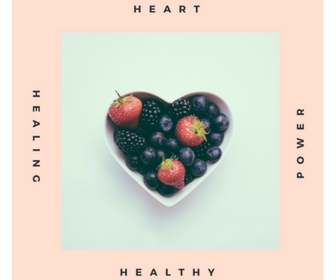
Why Cholesterol Isn’t Always Bad
Cholesterol often gets a bad reputation, but it’s actually essential for your body to work properly. It helps build and repair cell membranes, keeping your cells strong and flexible. Cholesterol is also needed to make important hormones like estrogen, testosterone, and cortisol, which influence everything from mood to metabolism. On top of that, it plays a key role in producing vitamin D, supporting both immune function and bone health.
What Happens When Cholesterol Is Too Low
When cholesterol levels are too low, these vital processes can be affected. Research has linked very low cholesterol to hormone imbalances, weakened immunity, mood changes such as depression or anxiety, and even certain neurological concerns. While high cholesterol is often associated with heart disease, balance is what truly matters—too little can be just as problematic as too much.
How to Balance Cholesterol Naturally
Keeping cholesterol in a healthy range starts with everyday habits. Eating a balanced diet rich in fruits, vegetables, whole grains, lean proteins, and healthy fats like olive oil, nuts, and fatty fish supports heart health and helps keep cholesterol balanced. Limiting fried foods, baked goods, refined carbs, and highly processed snacks can also make a meaningful difference. These principles aren’t just theoretical—a real patient case study shows how dietary changes led to healthier cholesterol levels without medication
Regular movement is important too—aiming for around 150 minutes of moderate exercise each week, along with strength training a couple of times per week, supports healthy cholesterol function and improves insulin resistance. Maintaining a healthy weight, managing stress, and avoiding smoking further support long-term cardiovascular health.
Why Cholesterol Levels Can Rise
It’s also important to remember that cholesterol isn’t just about food. It’s influenced by genetics, lifestyle, stress, hormones, and overall metabolic health. In many cases, elevated cholesterol is the body’s response to underlying issues like inflammation, insulin resistance, or oxidative stress. Instead of focusing only on lowering numbers, addressing these root causes can lead to better long-term results.
By prioritizing anti-inflammatory foods, regular physical activity, stress management, and personalized support as needed, cholesterol levels can return to balance. When you look at cholesterol as part of a bigger picture of health—rather than something to fear—it becomes a powerful tool for understanding and improving overall well being.

Dr. Joelle Cafaro is a holistic medicine practitioner helping clients achieve lasting wellness through natural healing, nutrition, and holistic health strategies.